Before They Arrive

Short Synopsis
The absurdity of normalizing the political, social, and economical catastrophes that have been governing the Lebanese daily life, comes to a boil when Samer and Rana try to get comfortable in preparation for some romance. All their advances are abruptly halted with all that is happening out of their control.
Long Synopsis
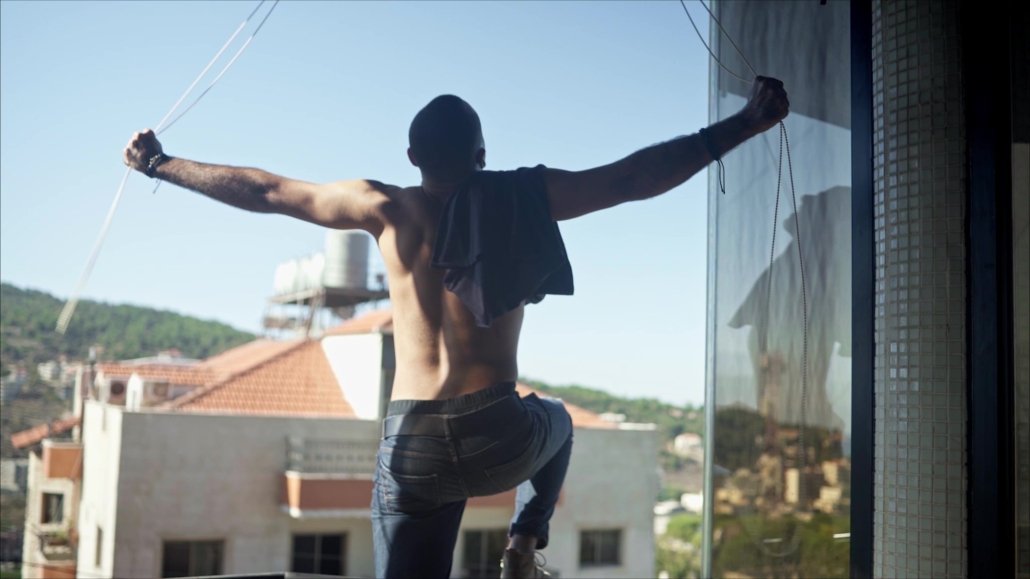
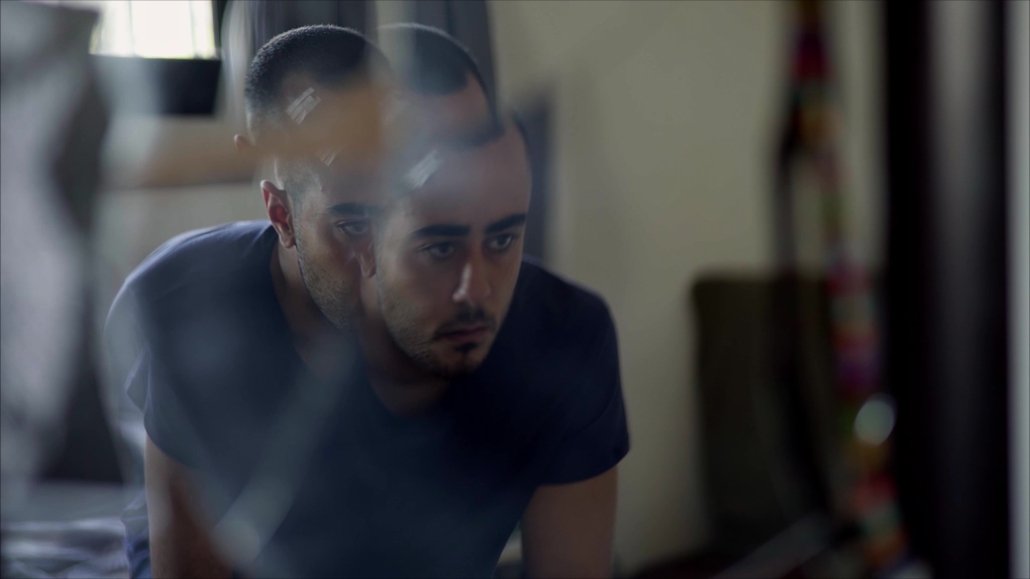
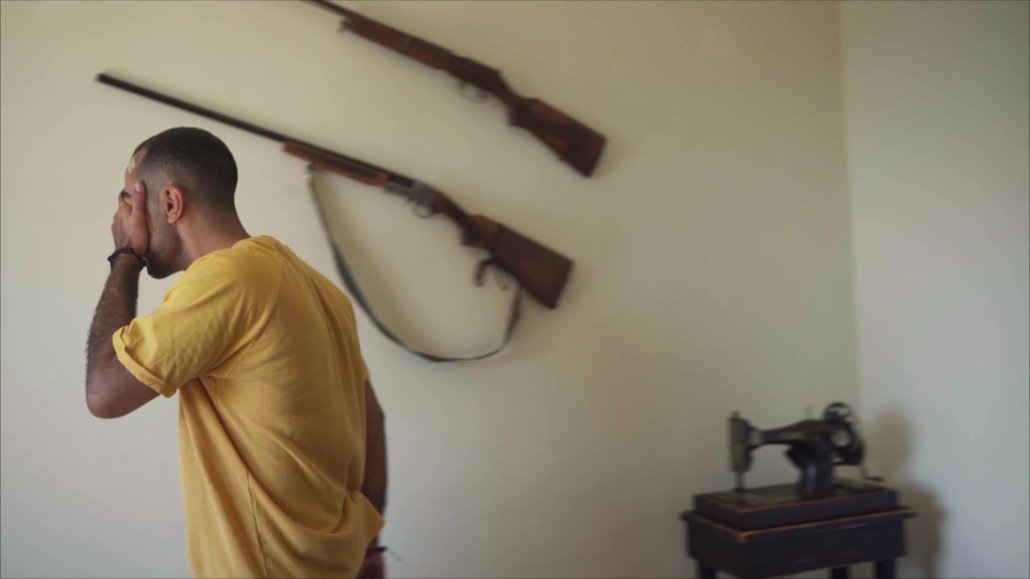
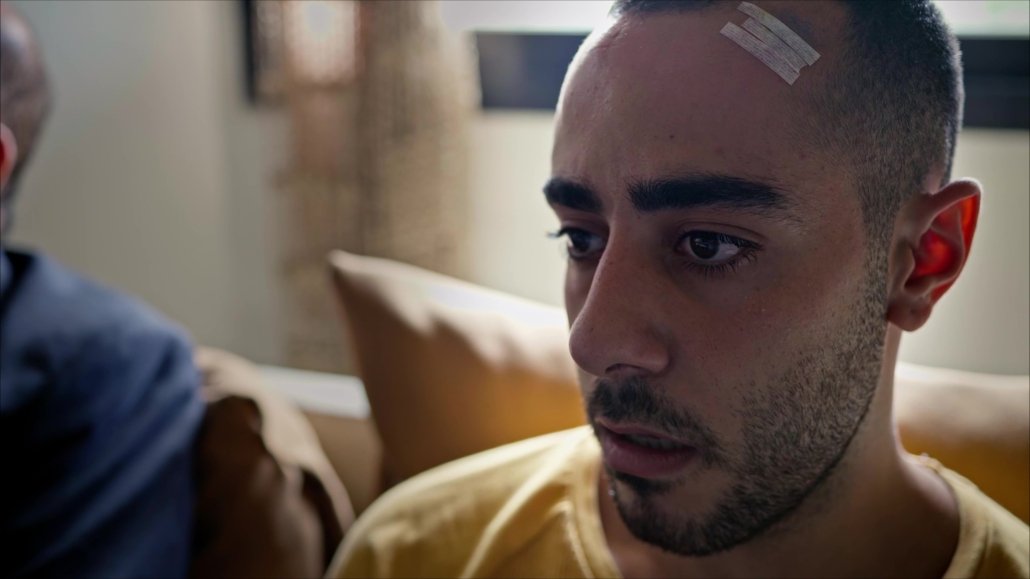
A young man sleeps half naked, wearing his shoes and jeans, in a chaotic room, its walls covered with banners and photos of political idols. His forehead clearly stitched and bandaged. This is Samer, an early 20s young man. He wakes up to the news of the death of a relative in his far away village. His parents decide to leave for the funeral and he stays home alone.
Since it’s an empty house for a full day, what’s better than spending it with his girlfriend Rana?
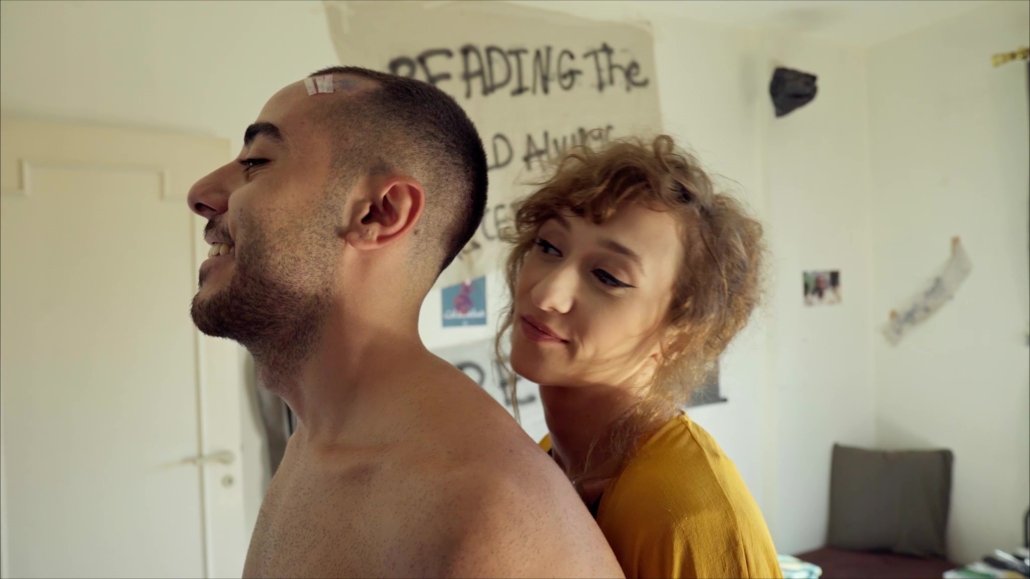
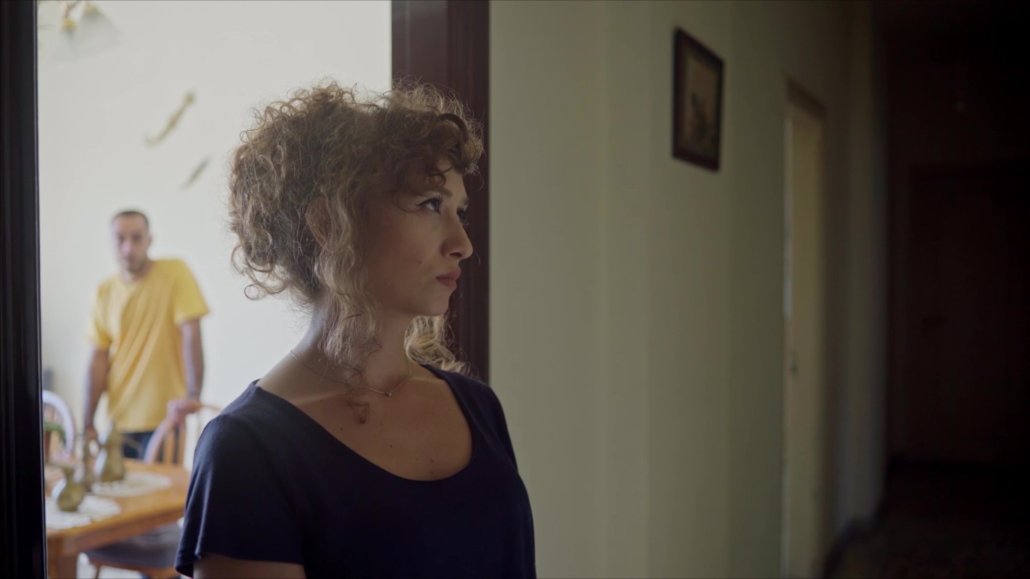
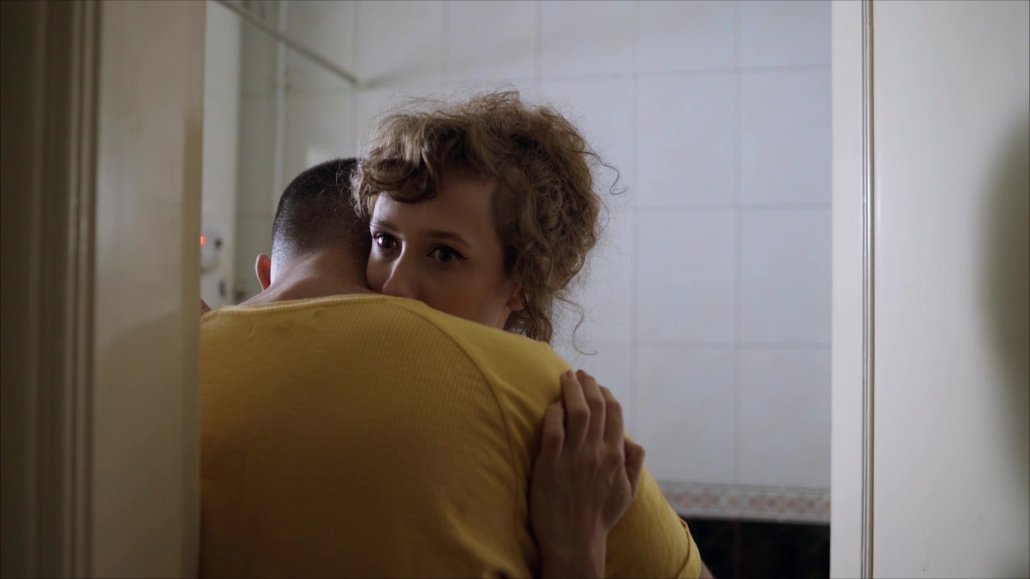
Soon, Rana – a mid-20s young woman – rushes in to avoid being seen by any neighbours. Samer is also worried about that, but comforts her as soon as she steps inside.
The day starts playful and funny, two lovers slowly setting up for a romantic date. Dancing, joking, teasing, smoking hash, and consuming drugs are some of what they usually do on such days. Today is exactly that, except for some minor –or not really- interruptions from the neighbours, surroundings, TV and weird hallucinations. Every time Samer approaches Rana, something comes in to kill the moment. It happens repetitively until it becomes surrealistic, it seems like all energies are lined up to break the meeting of this couple. At a time, Samer’s neighbour knocks the door asking to borrow milk powder for the pasta she is preparing, at another time, tap water has ran out and Samer has to refill the tank on the roof, and at yet another time, a politician is delivering a speech on TV and his fans are shooting their rifles and guns to celebrate his appearance.
With the succession of these incidents, tension builds up between Samer and Rana. Hallucinations overlap with reality. With time, she is more worried of being seen at Samer’s place, and gradually she gets more obsessed with the idea. It seems this is not normal fear; it hides something deeper in Rana’s psyche. The surrounding circumstances don’t help much, gunfire noise and proximity pushes Rana to the edge, and with her the relationship with Samer.
The hysteria reaches its peak when a passing fish seller, is killed by a stray bullet. Rana shows empathy to the man first, but soon obsesses over the incident and gets frightened of having a similar fate if she goes out or even approaches a window.
As the tension rises, we dive deeper into Samer and Rana’s hidden personalities. We witness a competition over power in the simplest of details; when Samer asks Rana to change her phone screen photo because he finds it erotic, or when Rana says he doesn’t have to answer his phone every time his mother calls. These power dynamics show repetitively over the couple’s day, pulling them into a loop of more tension and stress, where they both reach a boiling point and their previous experiences are revealed, explaining their behaviours and attitudes.
Samer’s frustration is multi-layered, part objective and part subjective. He is politically active, and is always hoping that a radical change would happen in Lebanon. The stitches in his head are what he got from the last demonstration he went to, when a group surrounded and attacked him. In the morning, he received a video of the incident someone had secretly recorded. The heavy video keeps its effect on Samer for the whole day. On another hand, he is at a crossroad in his personal life, he had graduated from university and is searching for a job. The only opportunity he finds, is to apply for a chief position in the military; A path that opposes all his beliefs and practices, but looks like the only one available.
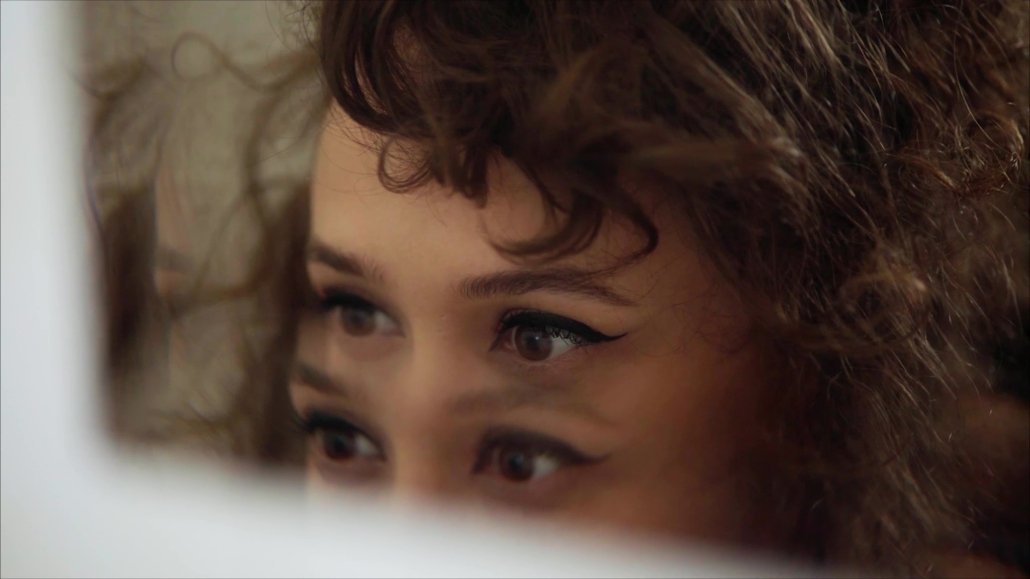
Rana had passed through a traumatic experience in the last few years. She looks at her relationship with Samer as a way to overcome what she had faced and regain her previous life and personality. A few years ago, she had to abandon all her active and engaged life, for a quick marriage from a relationship that proved to be immature. In her marriage, she had a baby girl. Now, Rana is in a divorce lawsuit, and is struggling to gain custody of her child. And as the law goes in Lebanon, she is threatened of losing custody if she is in a relationship with another man, even after her divorce.
Confronted with the risk of being caught at Samer’s apartment when his parents come back, and the risk of facing a similar fate to that of the fish seller if she walks out, Rana gets trapped in a situation she cannot handle. But at the same time, she can clearly see the hopelessness of this relationship. So many clues had appeared during the last few hours for her to make a decision. She knows she has to leave despite the risk.
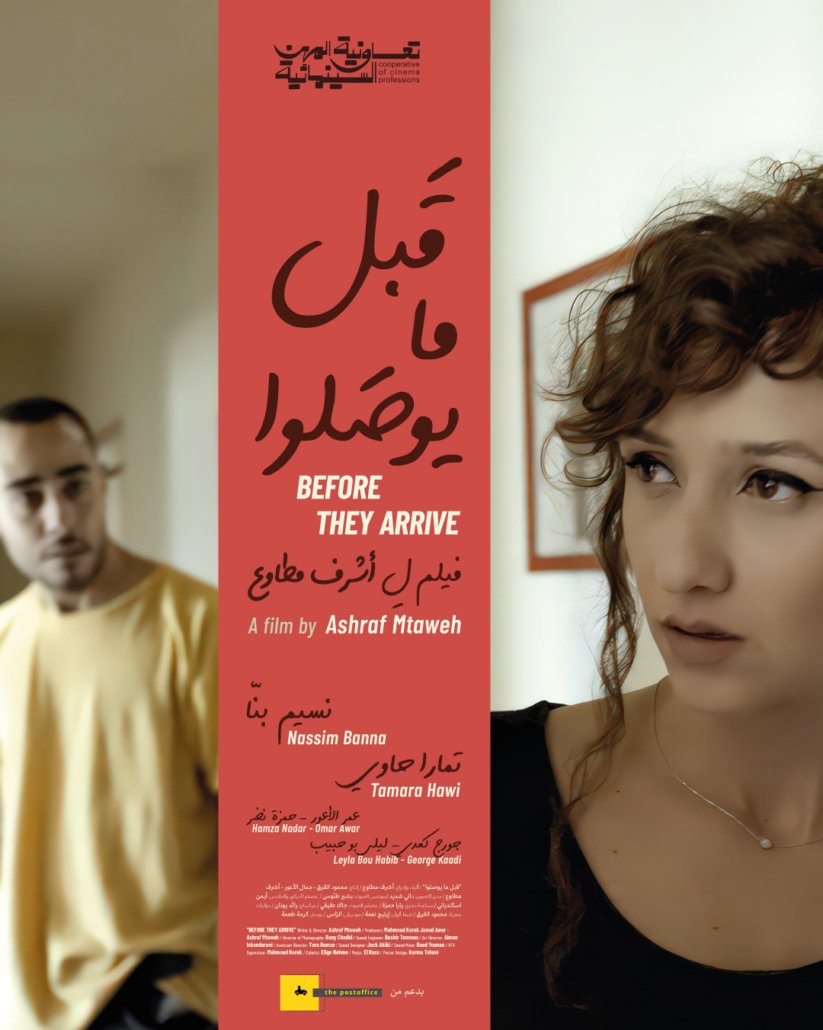
Writer, Editor & Director: Ashraf Mtaweh
Co-Producers: Mahmoud Korek, Jamal Awar & Ashraf Mtaweh
Cast Nassim Banna, Tamara Hawi, Hiyam Saeed, Salam Al Awar, Hamza Naddar, George Kehdy, Dani Chalfoun, Layla Bou Habib, Tarek Bashasha, Omar Al Awar & Aiden Mtaweh
DOP: Dany Chedid
Sound Recordist: Bachir Tannous
Art Director: Aiman Iskandarani
Production Manager: Jamal Awar
Assistant Director: Yara Hamze
Music: El Rass
Camera Assistant: Ralph Esso
Sound Assistant: Joe Nasr
Production Assistant: Kawthar Sutumiah
Sound Designer: Jack Akiki
Sound Mixer: Raed Younan
Sound Design Assistant: Alain Daher
Colorist: Elige Nehme
VFX: Mahmoud Korek
Poster Design: Karma Tohme
Subtitling: Sasseen Kawzaly
Video & Photo Documentation: Monah Ashkar
Production Company Cooperative of Cinema Professions – Lebanon
The Cooperative of Cinema Professions – Lebanon was established in 2023 by 7 workers in cinema and has grown its membership to 12, coming from different professions, including directors, cinematographers, editors, animators, a producer, a production designer, a sound designer, and a colourist.
It is one of very few cinema cooperatives in the Arab world working in all phases of production. Being a cooperative means adopting an economic module that prioritizes collaboration over competition, equal distribution over profit accumulation, and social engagement over market oriented practices.
The cooperative was founded in response to the different catastrophes that Lebanon and the region have faced during the last few years, and their implication on the lives of cinema workers in Lebanon. It is a space to search for alternative methods of production, using our limited resources and building on our collective experiences, and alternative economic and social modules where we can exist, interact, evolve and produce equally.
Producers’ Bios
Mahmoud Korek founded the Postoffice, a postproduction, grading and VFX house based in Beirut, in 1998. In 2021, the Postoffice started a restoration department. Korek was involved in the production of many Lebanese, Syrian and Palestinian features, documentaries, shorts and animation films as Co-producer, postproduction producer or VFX supervisor working with acclaimed Lebanese Filmmakers such as Mohamad Soueid, Ghassan Salhab, Jocelyne Saab, Burhan Alawiye, Michel Kammoun, Elie Khalife.
Jamal Awar is a London-based Lebanese filmmaker, producer, editor and practice-based PhD candidate at the University for Creative Arts. His research interrogates the Lebanese film industry’s fraught relationship with the civil war and with post-war funding structures – particularly the cultural and political implications of French co-production models. Having worked as an actor from 2010 to 2017, Jamal later shifted focus into directing, writing and producing. He has since developed an artistic practice grounded in satire, political critique, and formally inventive storytelling.
Minutes
Release
Lebanon