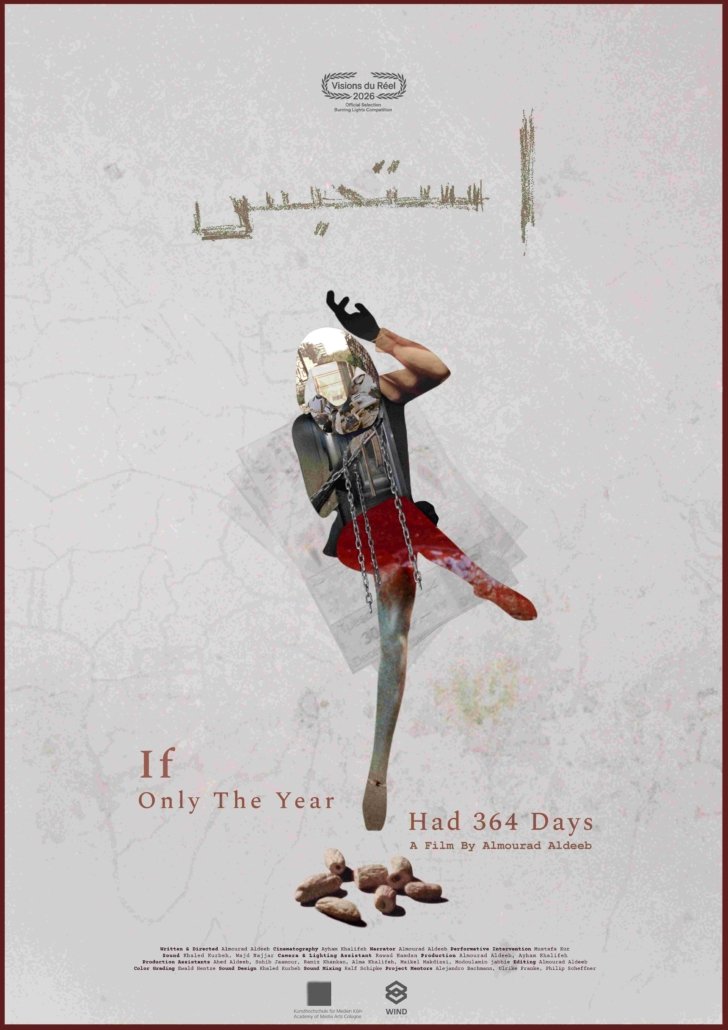
If Only the Year Had 364 Days

In 2013, in Damascus, a group of friends was detained in Branch 215. Estahbes is a personal journey between Syria and exile, an attempt to evoke memory and confront a past of imprisonment and a present of witnessing, holding a memorial for seven friends who died under torture.

Ten years after my detention in Branch 215 in Damascus, I return to Syria following the fall of the Assad regime and the opening of the prisons. I return to visit the families of seven friends who died under torture, and to face the prison where we were held together and witness its disappearance.
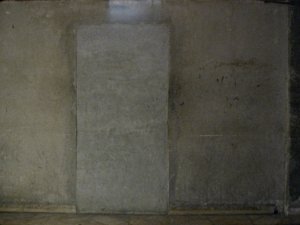
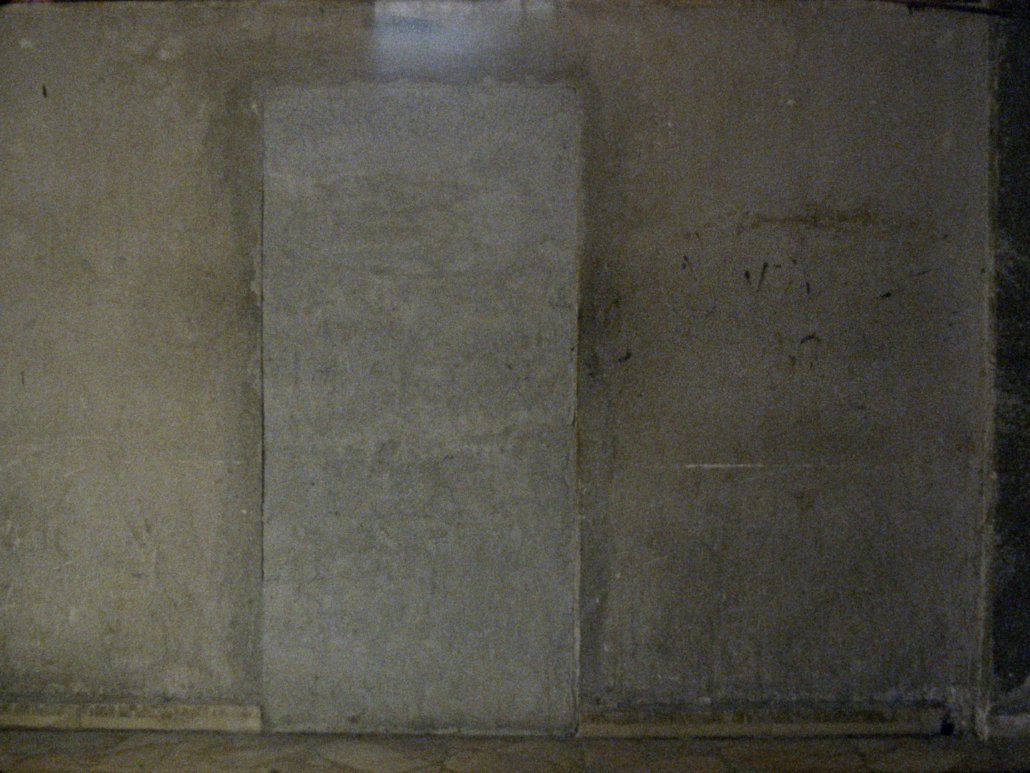
Estahbes moves between Syria and exile, between past and present, as fragments of memory are recalled and rearranged. The film travels through layers of time and places: from the wall beside the interrogation room where a memory remains, to the arrest at the Higher Institute of Dramatic Arts and the transfer to the underground detention center in Kafr Souseh, Branch 215.
Searching through forgotten corners, I share my testimony about prison and what happened there, and about what I call an “incomplete survival”, a condition in which leaving prison does not mean being free from it, and where its presence continues beyond it.
The film centers on the word Estahbes, a term learned in detention, describing the adaptation to imprisonment and its lasting imprint.
Estahbes is an attempt to confront this place, to hold a memorial for the friends who never returned, and to witness the end of a prison that took many lives. Yet this end remains incomplete without justice, and without knowing the fate of those who passed through it and those who were forcibly disappeared.

Written and Directed Almourad Aldeeb
Cinematography Ayham Khalifeh
Narrator Almourad Aldeeb
Performative Intervention Mustafa Kur
Camera & Lighting Assistant Rawad Hamdan
Sound Khaled Kurbeh, Wajd Najjar
Production Almourad Aldeeb, Ayham Khalifeh
Production Assistants Ahed Aldeeb, Suhib Jaamour, Ramiz Khankan, Alma Khalifeh, Maikel Makdissi, Modoulamin jabbie
Editing Almourad Aldeeb
Color Grading Ewald Hentze
Sound Design & Credits Music Khaled Kurbeh
Sound Mixing Ralf Schipke
Project Mentors Prof. Alejandro Bachmann, Prof. Ulrike Franke, Prof. Philip Scheffner
Editing Consultants Alejandro Bachmann, Fani Schoinopoulou, Dana Bunescu, Maikel Makdissi, Mustafa Kur
Poster Design Ayham Skaf
Subtitling Karma Swearky
KHM Press & PR Ute Dilger
KHM Projekt Office Petra Clemens
Technical Support Ronny Langer
KHM Equipment Rental Christian Turner, Norbert Keerl, Flemming Kruck
Kunsthochschule für medien Köln

80

Minutes

2026

Release

Production

Germany

Bio – Filmography

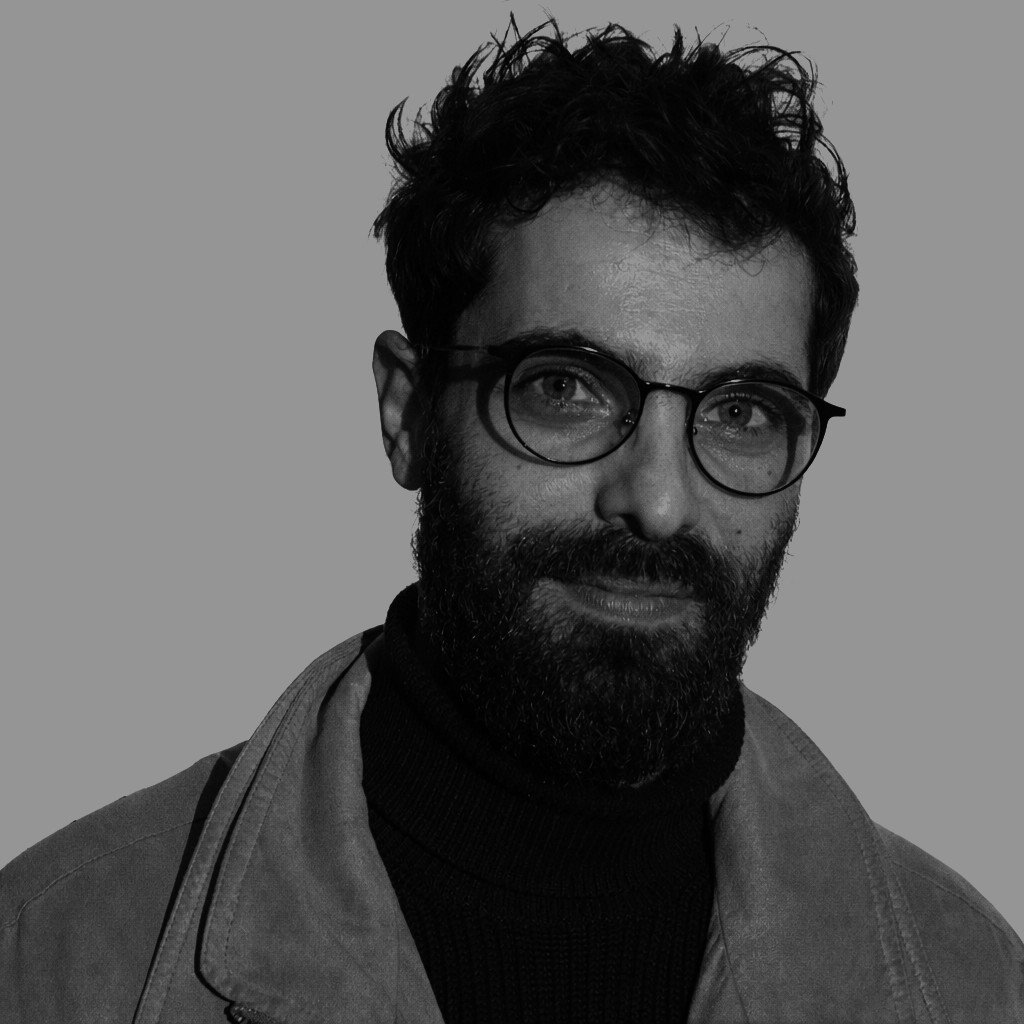
Almourad Aldeeb (born 1991 in Homs) is a Syrian filmmaker currently completing his studies in film directing at the Academy of Media Arts Cologne (KHM). His films explore memory and time through a restrained and contemplative cinematic language.

Extended Director Biography
Almourad Aldeeb (born 1991, Homs, Syria) is a Syrian filmmaker and editor based in Cologne, Germany. He is currently completing his studies in film directing at the Academy of Media Arts Cologne (KHM). His work moves between documentary, narrativ, and experimental film, developing a restrained and contemplative cinematic language shaped by an ongoing engagement with memory, time, and displacement.
He began his studies at the Higher Institute of Dramatic Arts in Damascus. In 2013, he was arrested and detained in Branch 215 following his involvement in the Syrian civil movement. After his release in 2014, he left Syria and eventually settled in Germany.
Working from personal experience, Almourad’s films do not aim to reconstruct events directly, but rather to approach memory as something fragmented, layered, and constantly reshaped by time and distance. His practice reflects a search for forms that can hold absence, silence, and the traces left by lived experience. Through a precise and minimal approach, his films allow images and spaces to unfold slowly, maintaining a careful distance from what they depict.
His work includes Jafaaf / On the Dry Bank of the River (2024), which premiered in competition at the Cairo International Film Festival. Flood (2022), selected for the competition at Kurzfilm Festival Hamburg. Wilhelmsbazar (2021). His latest film, Estahbes / If Only the Year Had 364 Days, continues this path, returning to Syria to confront places and memories connected to his detention, and will premiere at Visions du Réel in 2026.

Director Statement
The idea for Estahbes emerged after my first return to Syria following the fall of the Assad regime. It was a journey through memory, filled with faces, places, and events deeply connected to the past. Some of these places had changed, others had disappeared. What began as a physical return soon became an inner journey through memory itself.
Ten years after my detention in Branch 215 in Damascus, I returned to visit the families of seven friends who were tortured to death. I also returned to the prison where we had been held together, to confront that place again and to witness its demise. The film became a way to approach these memories carefully and to understand what I call an “incomplete survival”: the experience of leaving prison physically while something of it remains inside.
Estahbes takes its name from a word I learned in prison. It describes the painful adaptation to imprisonment, the moment when a person begins to get used to the brutality and inhuman conditions of detention. Even after the body leaves the prison, the prison does not easily leave the body. This idea became central to the film.
The film is built from personal writings that I kept during the years of exile and later reworked after returning to Syria. It takes the form of narrated notes, spoken in my own voice, accompanying carefully chosen images of places connected to the story. The narrative moves across layers of time that have accumulated over these places and memories.
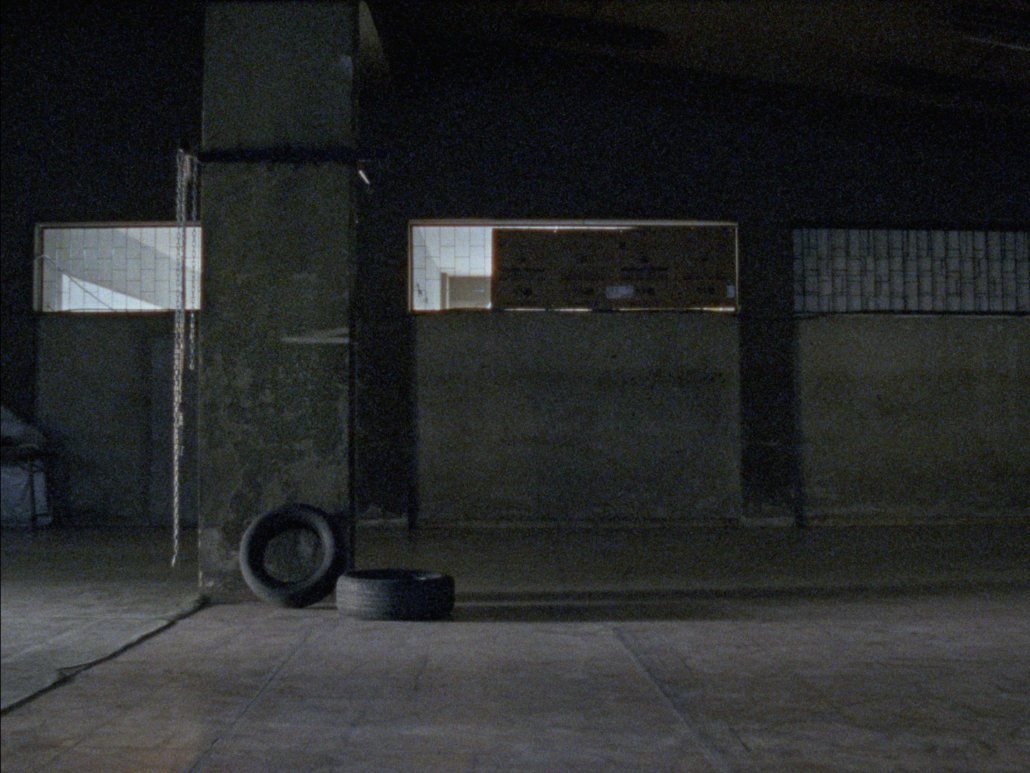
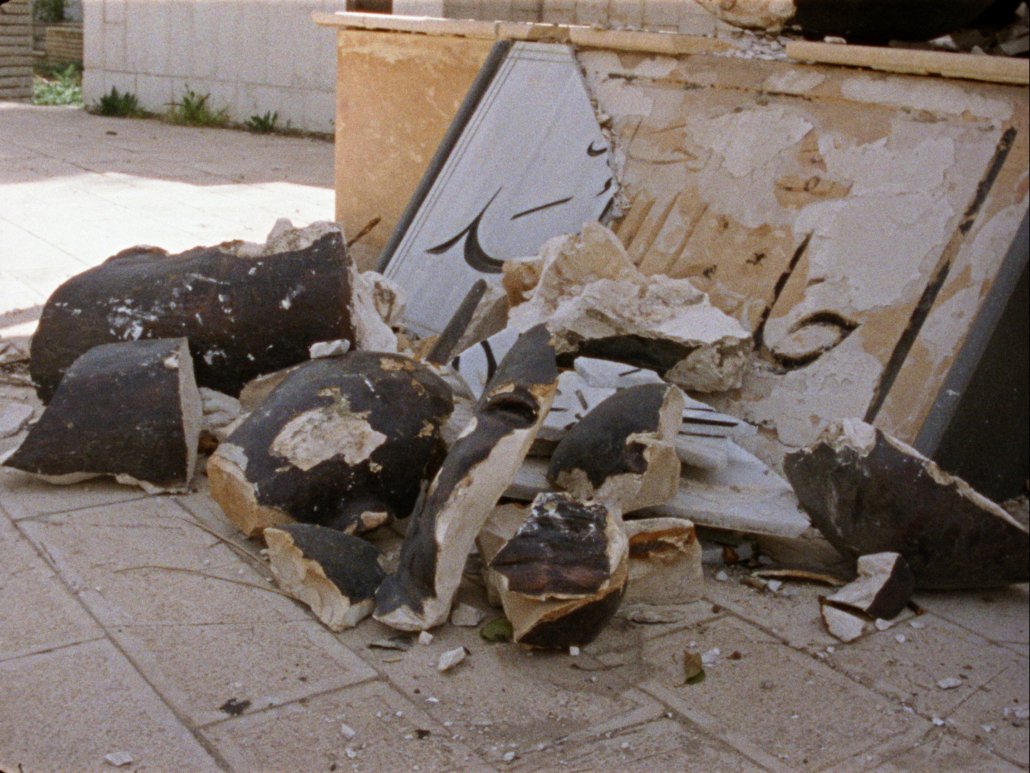
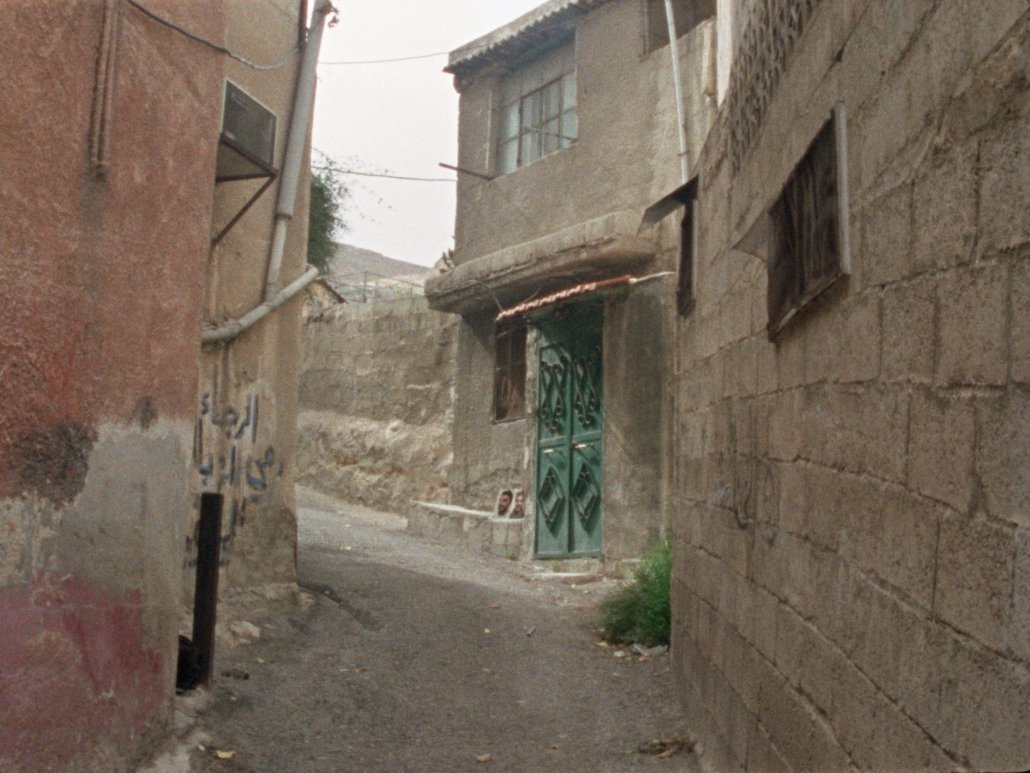
Visually, the film is composed mostly of static shots that maintain a respectful distance from spaces marked by violence and absence. I filmed the project on 16mm with an Arriflex SR3 camera. This choice was not only aesthetic. Working with film imposes a particular rhythm: waiting, preparing each shot carefully, and treating every image as a measured gesture. The materiality of film also felt connected to the materiality of memory itself.
Sound plays an essential role in the film. The voice-over carries the narrative while the sound design creates a restrained sound space that captures the silence of the places. The overall atmosphere remains quiet and contemplative, allowing the images and the voice to unfold slowly.
Estahbes is finally an attempt to gather fragments of memory, to grieve the friends who never returned, and to confront a place that took so many lives. Yet the demise of this prison cannot be complete without justice, and without knowing the fate of everyone who passed through its gates.

Filmography
2018 “Taif” 3min, experimental.
2019 “The Plug” 3min, experimental.
2020 “WilhelmsBazar” 10min, Documentary.
2022 “Flood” 11min, Experimental Documentary.
2024 “Jafaaf / On The Dry Bank Of The River” 23min, Short Narrative.
2026 “Estahbes / If Only The Year Had 364 Days” 80min, Documentary.