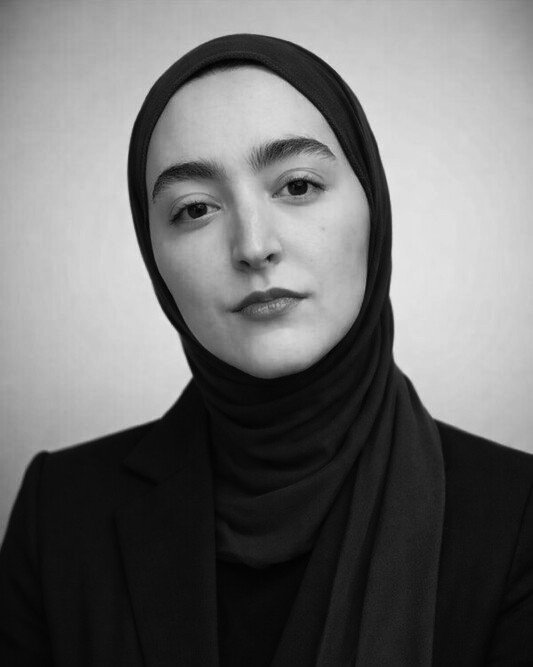
Maria is a Brussels-born writer and filmmaker who completed five years of film school in Brussels. Raised in a religious household alongside five sisters, her work is deeply informed by questions of spirituality, faith, future, and inner voice. She is particularly interested in cinema as a sensory and philosophical medium, often working across sound, to explore subjectivity and altered states of perception. Her practice leans toward experimental and poetic forms, with sound playing a central narrative role. Alongside filmmaking, she maintains a parallel commitment to writing as an essential part of her artistic language.
Director’s Statement
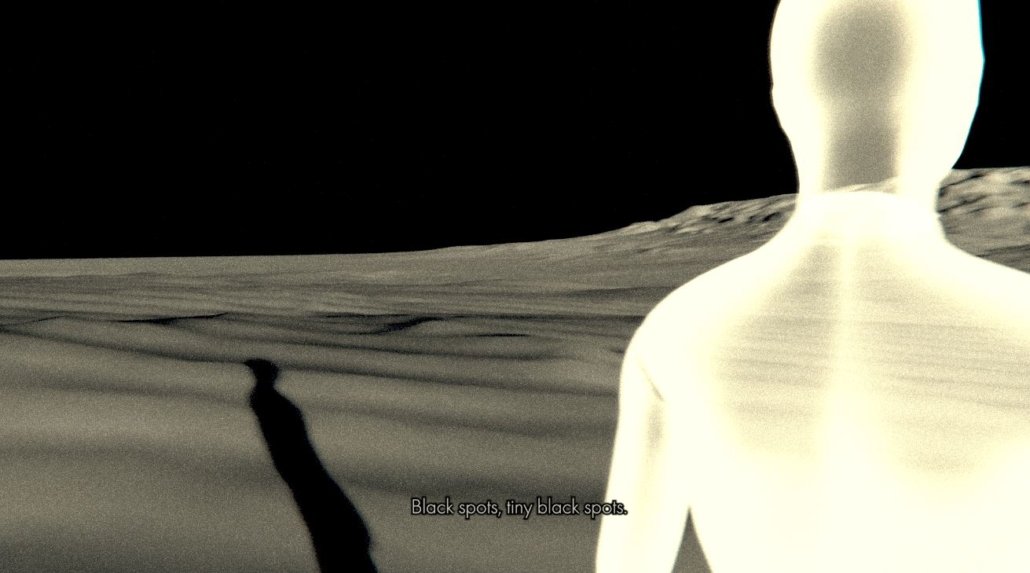
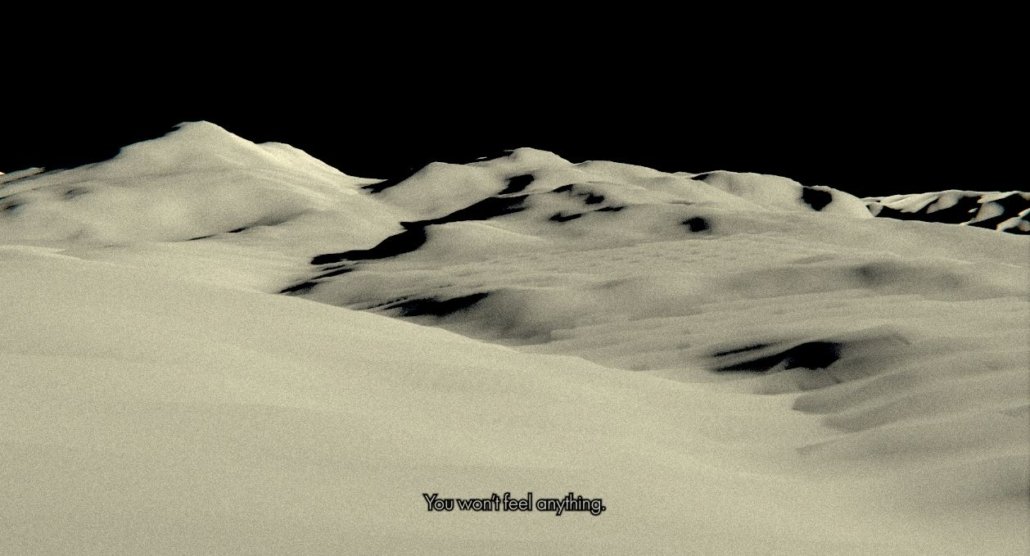
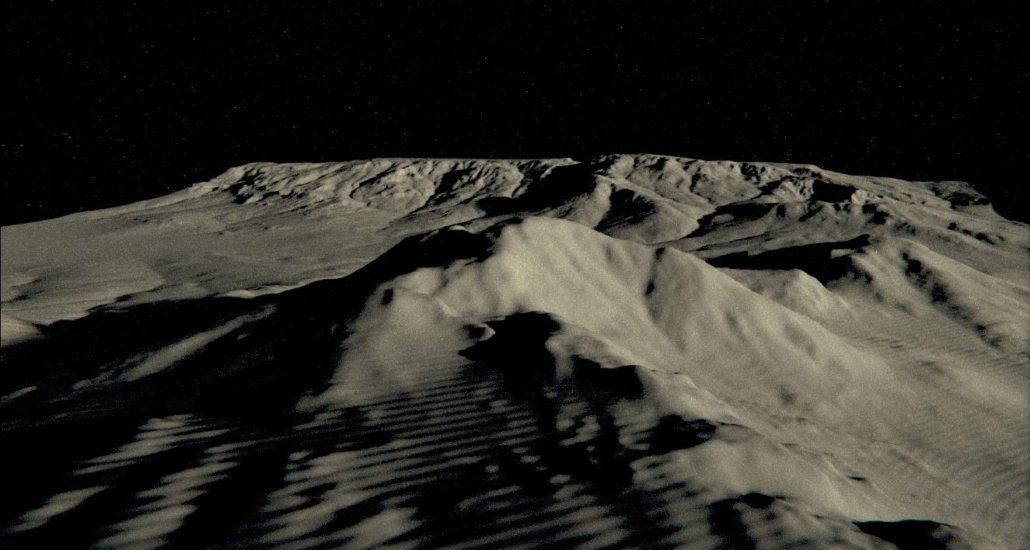
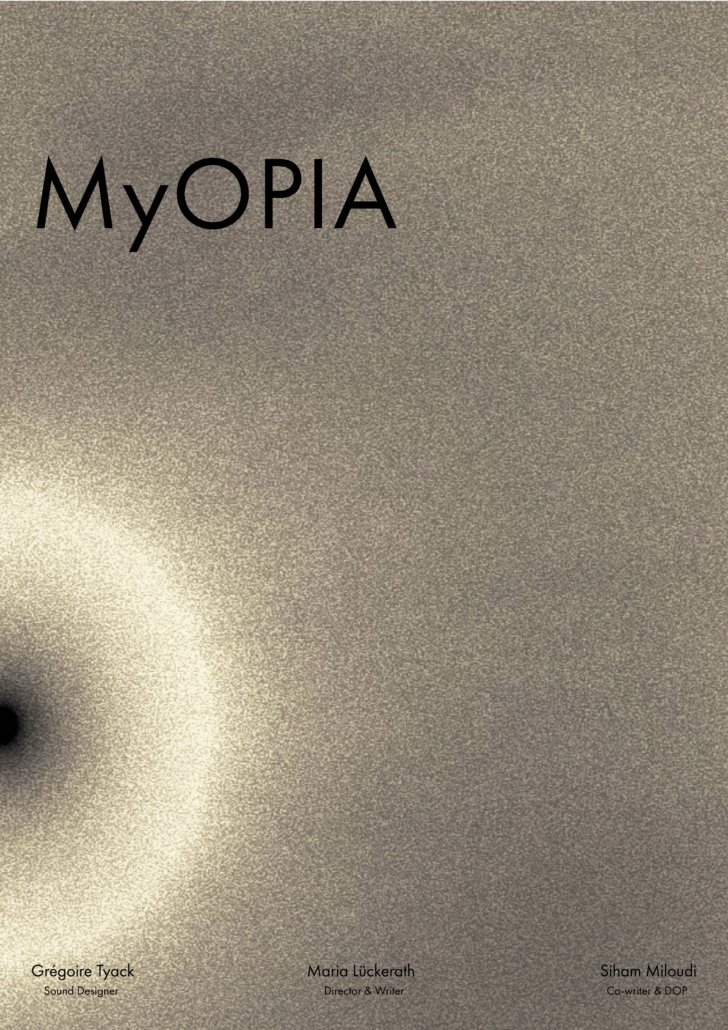
MyOPIA began with a very concrete fear: the possibility of losing my sight. But as the film developed, I realised that what frightened me most was not blindness itself, but the thought of no longer being able to see my sisters’ faces. Growing up with five sisters shaped my sense of the world, intimacy, and belonging, and the film is rooted in that emotional terrain. The film was conceived entirely through sound. I wanted it to be fully accessible to blind or visually impaired audiences, so that no meaning, emotion, or narrative element would be lost without the image. For this reason, the visuals were created only after the sound structure was complete.
Sound is not an accompaniment here; it is the spine of the film.
At the heart of MyOPIA is the idea that a condition we are taught to fear can also become something intimate, even precious. My extreme blurry vision was once a source of peace for me a soft, protected way of being in the world. Learning that it had to be removed, because it might eventually worsen into disability, was genuinely painful. The film explores this paradox: how something perceived as a limitation can become an ability, a refuge, even an identity and how letting it go can feel like a loss. I’m interested in cinema as a space where disability, perception, and spirituality are not framed as problems to be solved, but as experiences to be inhabited. MyOPIA does not seek resolution; it invites attention, empathy, and a reconsideration of what it means to see